The Future of Smart Stores: From Paper Tags to Fully Digital Shelves
-
February 14 , 2026
-
38
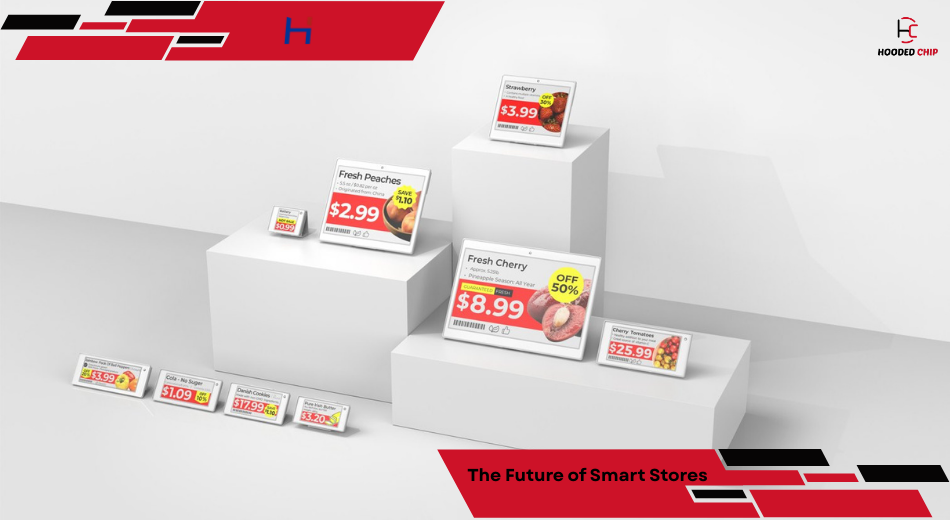
Retail is moving fast. What once relied on paper labels, manual stock checks, and slow price updates is now becoming fully digital, automated, and data-driven.
At the center of this transformation are smart shelves, real-time pricing systems, and connected store technology led by companies like Hanshow.
Let’s walk through how stores are evolving from simple paper tags to fully digital shelf ecosystems and what this means for the future of shopping.
Table of Contents
Why Smart Stores Are Replacing Traditional Retail
Retailers today face intense pressure:
-
rising labor costs
-
shrinking margins
-
online competition
-
demand for instant updates
Smart store technology solves many of these issues by automating daily operations and improving customer experience at the same time.
Instead of reacting slowly to market changes, stores can now adjust instantly.
The Problems With Paper Price Tags
Paper labels may seem simple, but they create major inefficiencies:
-
time-consuming replacements
-
pricing errors at checkout
-
missed promotions
-
high printing costs
-
customer frustration
In large stores, thousands of tags may need changing every week.
This is exactly what smart shelves eliminate.
What Fully Digital Shelves Actually Look Like
A digital shelf isn’t just a screen showing a price.
Modern smart shelves include:
-
electronic price displays
-
wireless connectivity
-
LED indicators for picking
-
real-time stock tracking
-
QR codes for product info
Everything connects to a central system that controls pricing, promotions, and inventory instantly.
How Electronic Shelf Labels Power Smart Stores
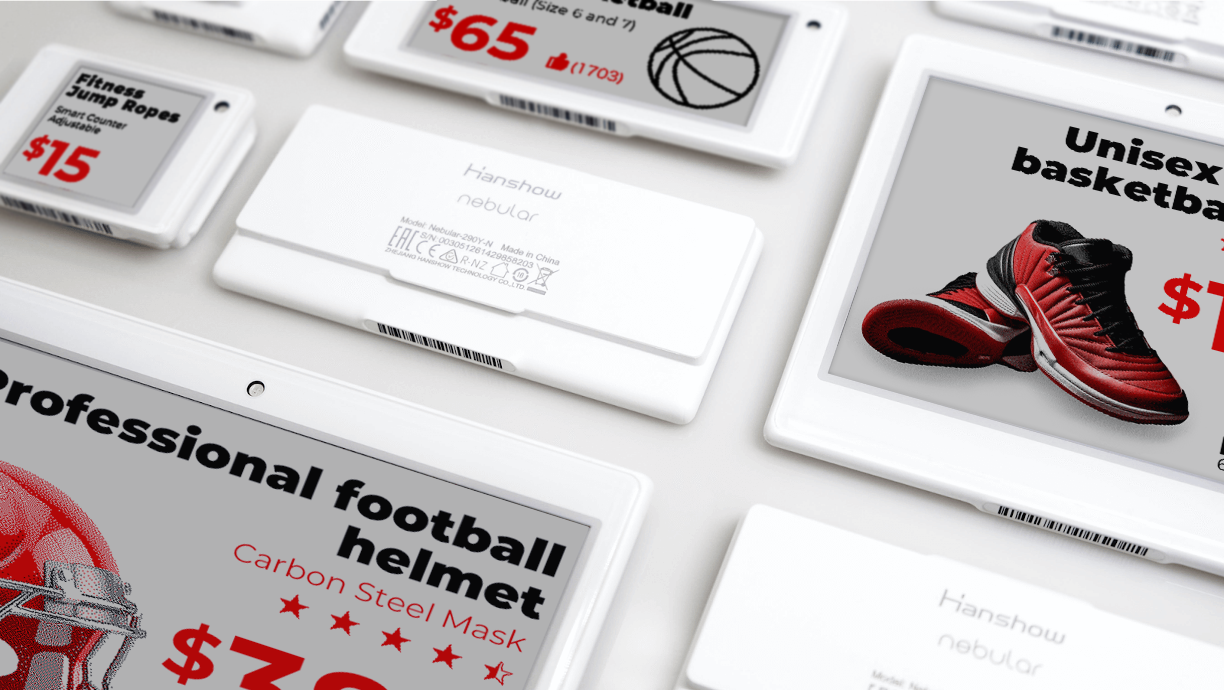
Electronic Shelf Labels (ESLs) are the foundation of digital shelves.
They allow retailers to:
-
update prices across the store in seconds
-
sync shelf prices with checkout systems
-
schedule promotions automatically
-
show product information clearly
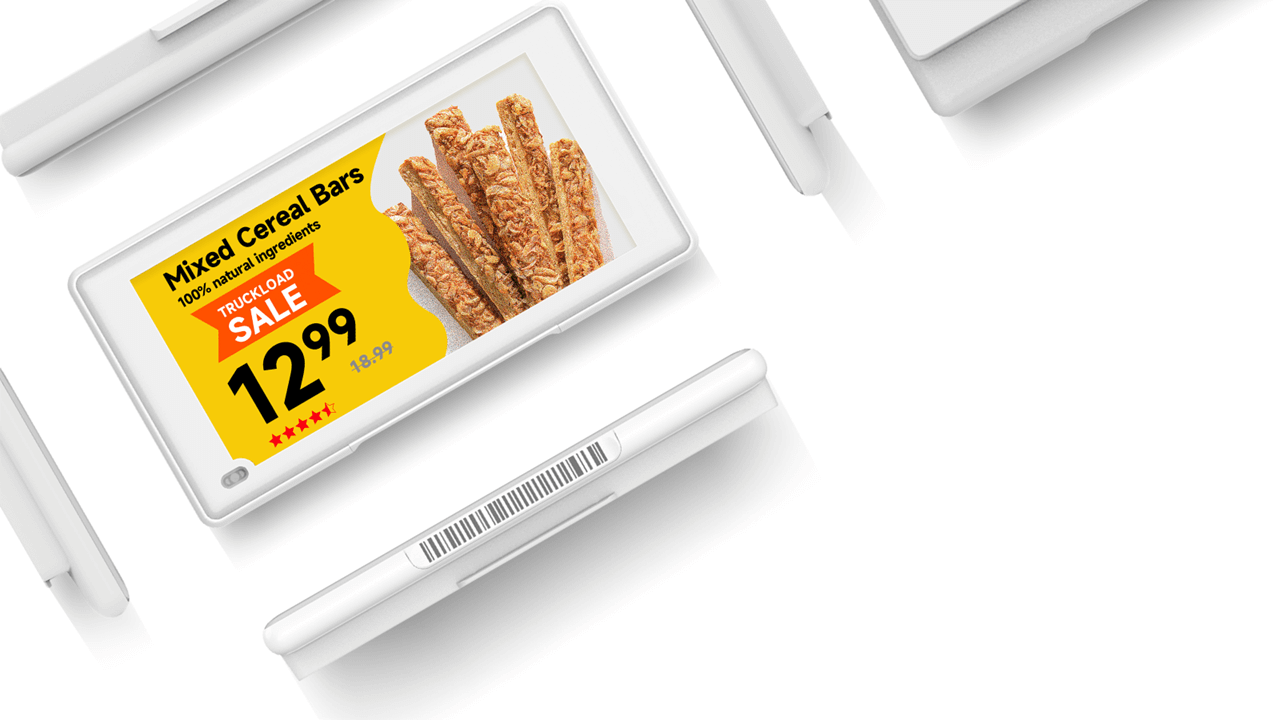
Real-Time Pricing and Promotions in Modern Retail
Smart stores now use dynamic pricing strategies such as:
-
automatic discounts on expiring products
-
demand-based price adjustments
-
flash promotions during slow hours
-
instant competitor price matching
Instead of planning weeks ahead, pricing becomes flexible and responsive.
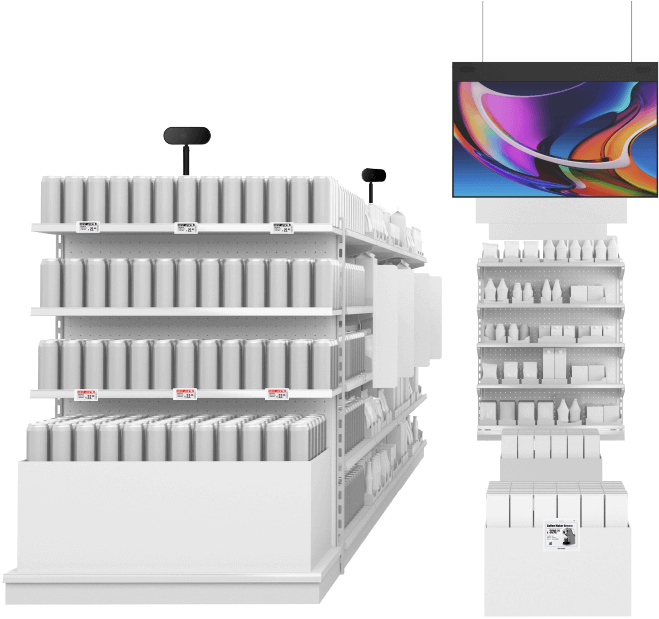
Check this Management Platform
Smart Shelves and Inventory Automation
Digital shelves do more than display prices.
They help stores:
-
monitor empty shelves instantly
-
trigger automatic restocking
-
track fast-moving products
-
reduce over-ordering
Some systems even use LED lights to guide staff to products during fulfillment.
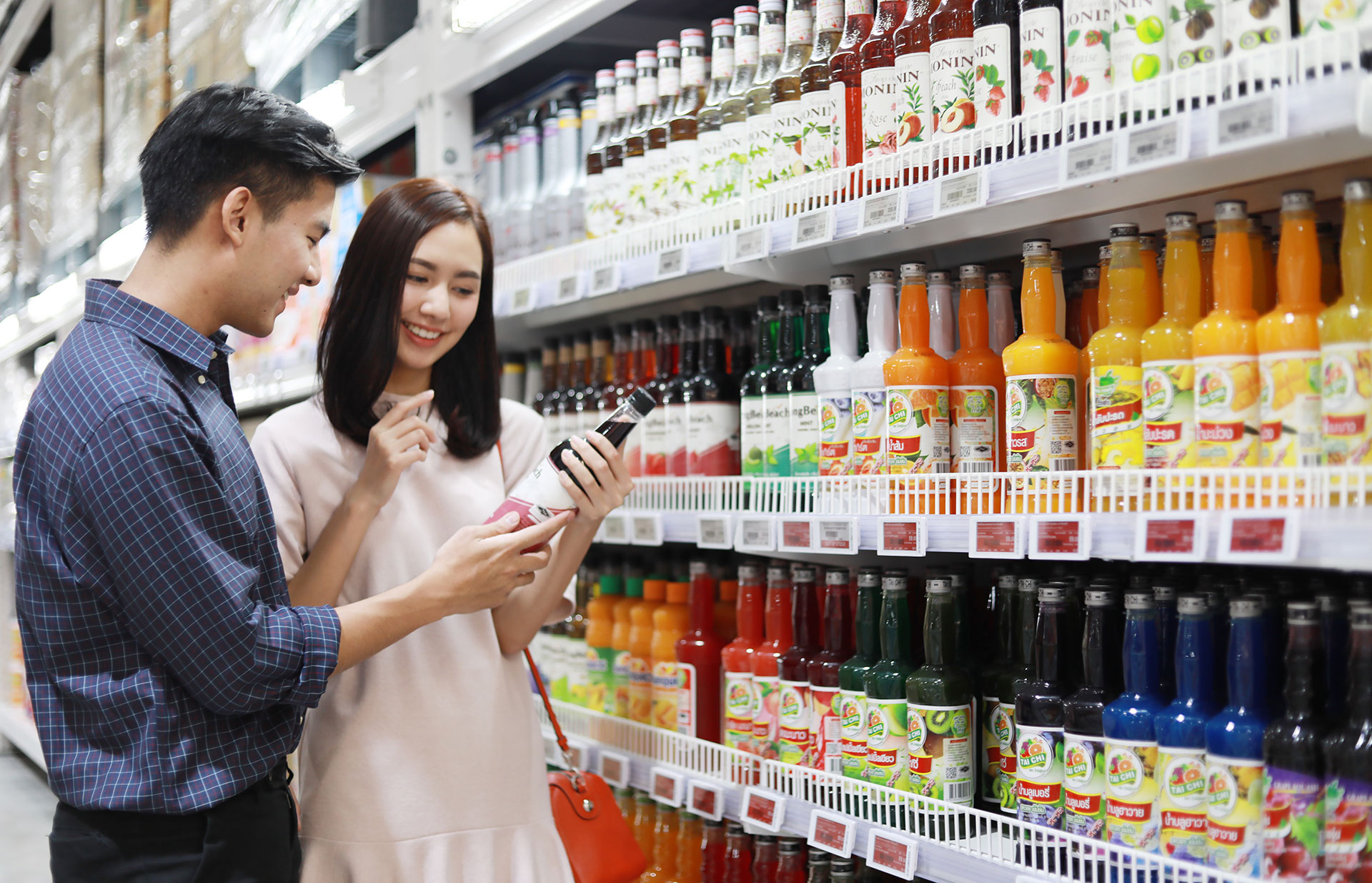
Customer Experience in Digital-First Stores
From the shopper’s side, smart stores feel smoother and clearer:
-
no price confusion
-
faster checkout
-
transparent promotions
-
easy access to product details
Many shelves now offer QR codes linking to:
-
reviews
-
nutritional info
-
how-to videos
-
sustainability details
Shopping becomes more informative and trustworthy.
What Smart Stores Will Look Like by 2030
Over the next few years, expect:
-
AI-driven price optimization
-
predictive inventory systems
-
personalized in-store offers
-
fully connected supply chains
-
almost zero paper usage
Physical retail will become as data-smart as ecommerce.
Final Thoughts
The shift from paper tags to fully digital shelves is not a trend. It’s the future of retail.
Smart store technology delivers:
-
faster operations
-
fewer errors
-
better margins
-
happier customers
-
real-time control
Retailers who adopt now are building stores that are ready for the next decade of competition.
Can I write you?
Sign up to get my weekly newsletter.
Trending Stories